Organizations today face rapidly growing data volumes, evolving cybersecurity threats, and increasingly complex IT environments. Many workloads still run in on-premises data centers, while others have moved to public cloud platforms or operate across distributed locations. As a result, many IT leaders are adopting hybrid storage architectures that combine on-premises infrastructure with cloud-based storage services.
Hybrid storage allows organizations to take advantage of the strengths of both environments. High-performance workloads can run on local infrastructure close to compute resources, while cloud storage can provide scalable capacity, disaster recovery options, and lower-cost archival storage. When designed properly, hybrid architectures can improve performance, enhance resilience, and help organizations manage long-term storage costs.
Designing a hybrid storage architecture requires careful planning. IT leaders must evaluate workloads, network performance, security requirements, and data management policies to ensure data flows efficiently between environments while remaining protected and accessible.
Hybrid storage architectures are becoming the foundation of modern data infrastructure because they allow organizations to scale storage capacity and integrate new technologies without abandoning existing investments.
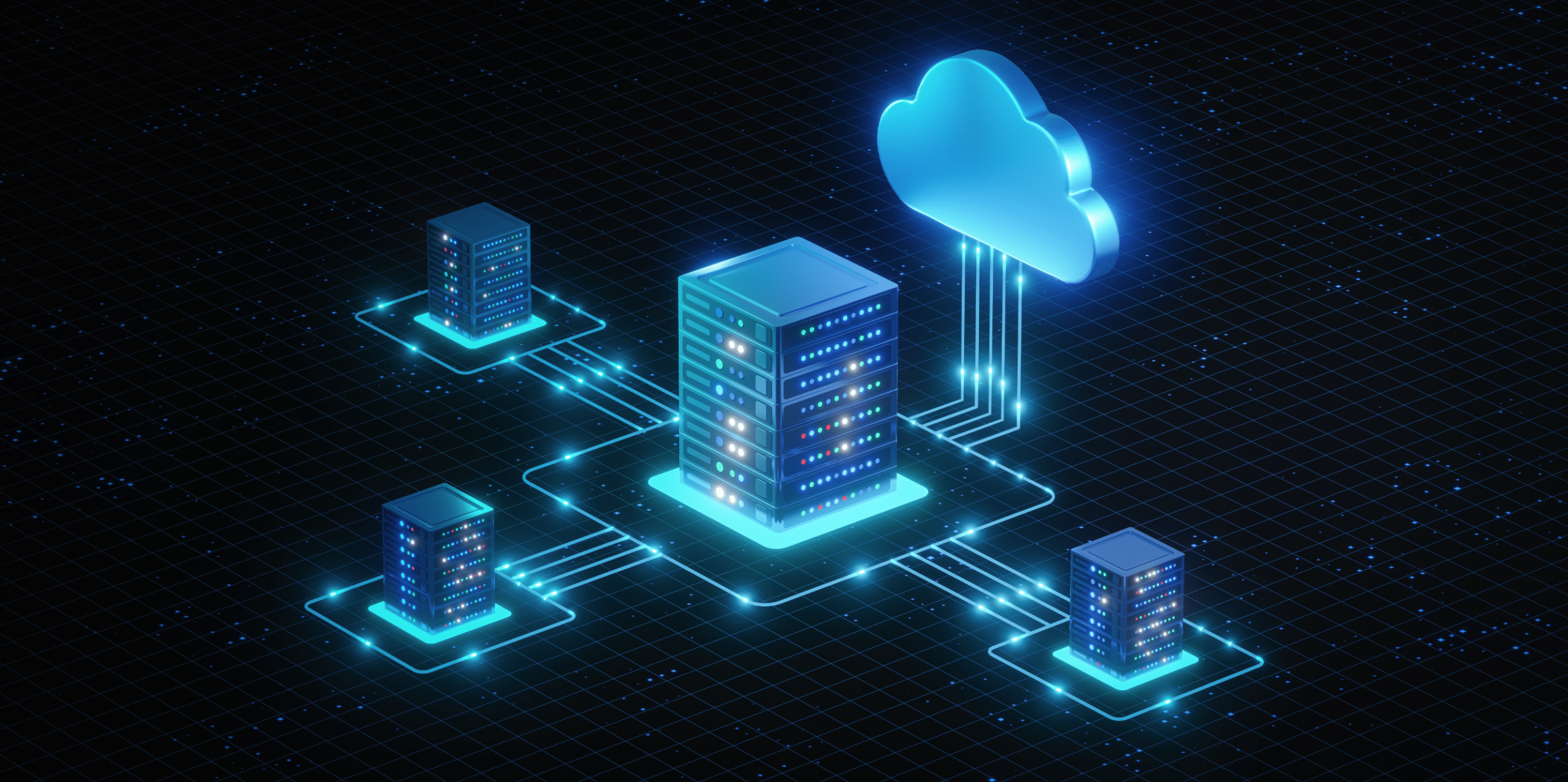
A hybrid storage architecture combines on-premises storage systems with cloud storage platforms to support multiple workloads and data environments. This approach allows organizations to keep performance-sensitive applications on local infrastructure while using cloud storage for backup, archival data, analytics, or disaster recovery. Hybrid storage environments provide flexibility, scalability, and cost optimization by placing data in the most appropriate storage location.
A hybrid storage architecture typically includes several interconnected components that work together to support data across environments.
The first component is on-premises storage infrastructure, which often includes SAN or NAS platforms designed to support mission-critical applications. These systems deliver high performance and low latency, making them ideal for workloads such as databases, transactional systems, and virtualization environments.
The second component is cloud storage infrastructure, which provides virtually unlimited capacity and flexible consumption models. Cloud storage platforms are frequently used for backup repositories, disaster recovery, data lakes, and long-term archival storage.
A third component is the data management layer, which controls how data moves between environments. This layer may include tools for automated data tiering, replication, lifecycle management, and policy enforcement.
Together, these components create an integrated environment where data can move between storage platforms based on performance needs, access patterns, and cost considerations.
Before implementing hybrid storage, organizations must first understand the workloads they need to support. Not all applications have the same performance, latency, or security requirements.
Mission-critical applications often require consistent low latency and high throughput, which makes on-premises storage the best option. Systems such as enterprise databases, financial platforms, and operational systems typically perform best when storage resources are located close to compute infrastructure.
Other workloads are more flexible. Data used for analytics, machine learning, or research projects may require large storage capacity but can tolerate higher latency. These datasets may be well suited for cloud storage platforms.
Organizations should evaluate several key characteristics when designing hybrid architectures:
Understanding these factors helps determine which workloads should remain on local infrastructure and which can be stored in cloud environments.
One of the most important aspects of hybrid storage architecture is determining how data moves between environments. Data movement strategies help ensure that frequently accessed data remains on high-performance systems while less active data is stored in lower-cost tiers.
Many organizations implement automated tiering policies that move data between storage platforms based on usage patterns. For example, recently accessed data may remain on high-performance local storage, while older data is automatically moved to cloud storage after a defined period.
Cloud storage can also serve as a backup or disaster recovery target, allowing organizations to replicate critical data offsite without maintaining a secondary physical data center.
Well-designed tiering strategies help optimize performance and cost while ensuring that data remains accessible when needed.
Network connectivity plays a critical role in hybrid storage performance. Because hybrid architectures involve data movement between on-premises systems and cloud environments, network bandwidth and latency must be carefully considered.
Large datasets may require significant time and bandwidth to transfer between environments. This challenge is often referred to as data gravity, where large data repositories become difficult to move because of their size and the resources required for transfer.
To address this challenge, organizations should consider:
By minimizing unnecessary data movement and optimizing network infrastructure, organizations can improve performance and reduce operational complexity.
Security must be integrated into hybrid storage architectures from the beginning. Data stored across multiple environments can introduce additional security challenges if not managed carefully.
Organizations should implement consistent security controls across both on-premises and cloud storage environments. These controls may include encryption, access controls, identity management systems, and monitoring tools.
Hybrid storage architectures should also incorporate ransomware protection mechanisms, such as immutable backups and isolated recovery environments. Because hybrid environments often replicate data between locations, they can provide additional resilience if one system becomes compromised.
A unified security framework helps ensure that data remains protected regardless of where it is stored.
As organizations store data across multiple platforms, maintaining visibility and control over that data becomes increasingly important. Data governance policies help ensure that information is stored, accessed, and retained according to organizational and regulatory requirements.
Lifecycle management tools can automatically move data between storage tiers based on policies such as age, usage patterns, or compliance requirements. For example, active data may remain on high-performance storage while older data is automatically archived to cloud-based object storage.
By implementing governance and lifecycle policies, organizations can control storage costs while ensuring that important data remains accessible and secure.
Hybrid storage architectures must be designed to accommodate future growth. Data volumes are expected to continue expanding as organizations collect information from new applications, sensors, analytics platforms, and AI systems.
Scalable architectures allow organizations to expand capacity without redesigning their infrastructure. Cloud storage platforms provide an important advantage in this area because they allow organizations to increase storage capacity on demand.
However, on-premises infrastructure must also be designed with scalability in mind. Storage systems should support expansion through additional drives, nodes, or storage tiers so that organizations can scale performance and capacity as workloads evolve.
Hybrid storage architectures provide organizations with the flexibility to balance performance, scalability, and cost across multiple environments. By combining on-premises infrastructure with cloud storage platforms, organizations can support a wide range of workloads while maintaining control over mission-critical data.
Successful hybrid architectures require careful planning around workloads, network performance, data movement strategies, security, and long-term scalability. When these factors are considered together, hybrid storage environments can provide a resilient foundation for modern data-driven organizations.
As data continues to grow in importance across industries and government missions, hybrid storage architectures will play an increasingly important role in enabling organizations to manage, protect, and analyze their most valuable information.
Storage modernization is a critical component of enterprise IT transformation across federal agencies. By aligning architecture, cybersecurity, lifecycle planning, and procurement strategy, agencies can build storage environments capable of supporting mission-critical workloads well into the future.
For agencies beginning their modernization journey, a structured evaluation of architecture requirements, security posture, and lifecycle planning can help identify the most effective path forward.
Wildflower Solutions Architects are here to help with every step
From architecture to acquisition, our team of storage experts can help you align your environment with mission needs, compliance requirements, and future growth. Wildflower Solutions Architects are here to help with every step.
Hybrid storage offers several advantages, including:
These benefits allow organizations to adapt their storage environments as their infrastructure evolves
Notifications

